
Morning light is a powerful sleep signal
Sleep and circadian research explains why bright outdoor light early in the day can support better sleep at night.
The takeaway
Sleep and circadian research points to a small behavior with a large signal: bright outdoor light in the morning. The argument is not only about avoiding blue light from a phone at night. It is about giving the brain a clear daytime cue so the sleep-wake rhythm is better anchored.
Outdoor light is much brighter than typical indoor lighting. Outside light can reach around 10,000 lux or more, while indoor light may sit closer to a few hundred lux. That difference matters because the body's internal clock responds to light intensity and timing.
Why timing matters
Morning light helps tell the brain that the day has started. It suppresses melatonin at the right time, supports alertness, and helps set up the later rise in sleep pressure and evening melatonin. In daily-light and sleep studies, more morning light exposure was linked with better sleep quality, longer sleep, or fewer disturbances.
The point is not that one walk fixes every sleep problem. Sleep is shaped by stress, work schedules, caffeine, alcohol, room temperature, pain, medications, and many other factors. But morning light is unusually accessible and low-cost for many people.
The health context
Sleep deserves attention because it touches many systems at once. Short sleep has been linked with metabolic problems, immune vulnerability, and poorer next-day function. In the cited research, people sleeping six hours or less were more likely to develop metabolic syndrome, and people averaging less than seven hours were more likely to catch a cold than those sleeping longer.
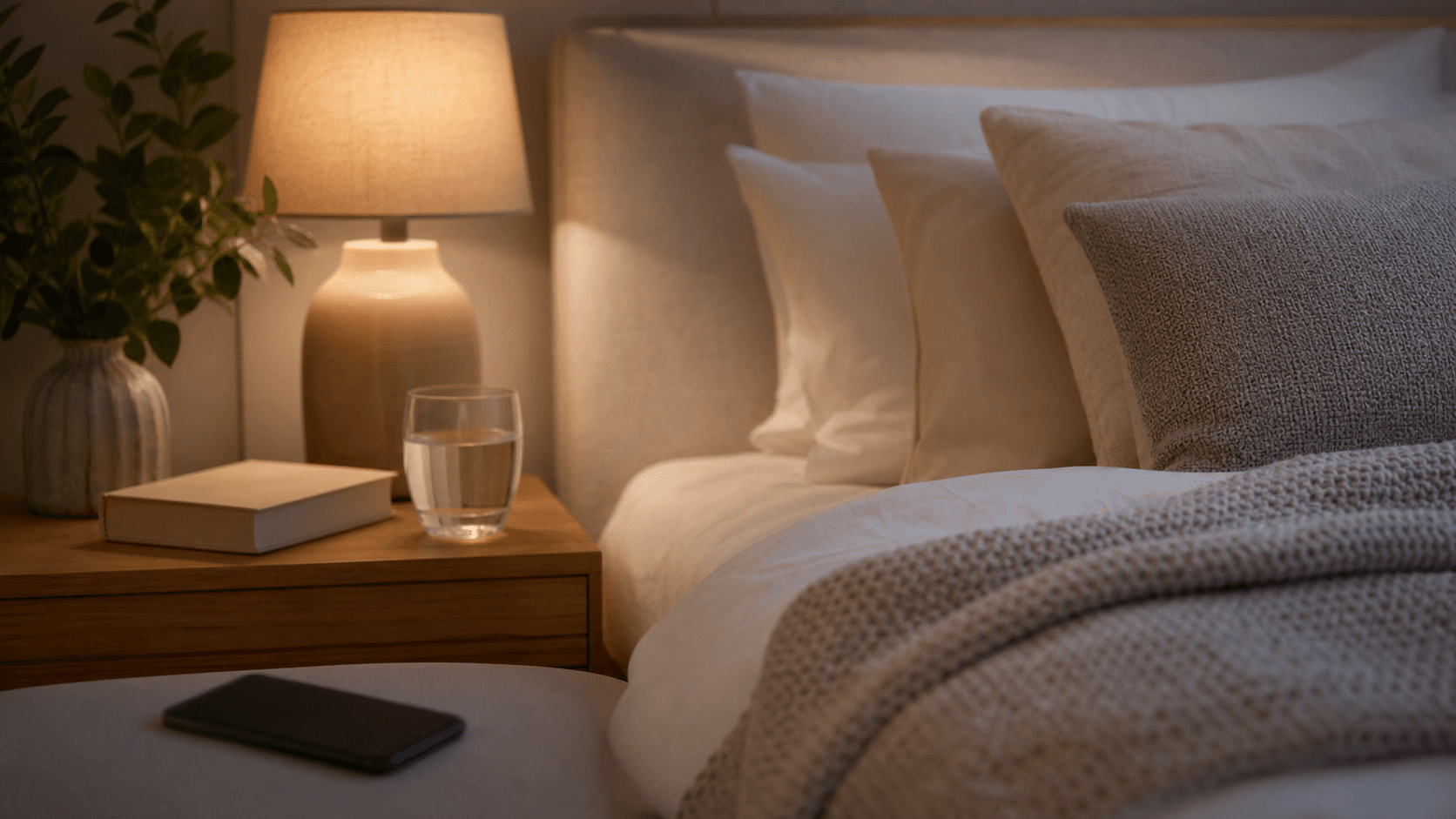
For a non-medical reader, the practical frame is to make the body clock easier to read: bright light early, dimmer light late, a consistent sleep window, and a bedroom that is dark, quiet, and comfortably cool.
This article is an editorial summary of the cited research. It is not medical advice or treatment for insomnia or any sleep disorder.
Sources
- Life between Clocks: Daily Temporal Patterns of Human Chronotypes
- Shine light on sleep: Morning bright light improves nocturnal sleep and next morning alertness among college students
- Does sunlight exposure predict next-night sleep? A daily diary study among U.S. adults
- Sleep Duration and Risk of Metabolic Syndrome: A Systematic Review and Meta-Analysis
- Sleep habits and susceptibility to the common cold